It’s not uncommon to notice dead skin and an unpleasant smell on your feet. This issue, although concerning, is something that many people experience. But why does my foot have dead skin and smell, and what can be done about it? Dead skin and odor often result from fungal infections, excessive sweating, or inadequate hygiene.
Up to 78% of people may experience hyperkeratosis, which presents calluses, corns, and heel fissures. These conditions are characterized by thickened skin that can trap moisture and bacteria, leading to unpleasant odors. In this blog, we’ll explore the causes in-depth, share actionable remedies, and guide you on when to seek professional help.
What Causes Dead Skin and Odor on Feet?
1. Fungal Infections
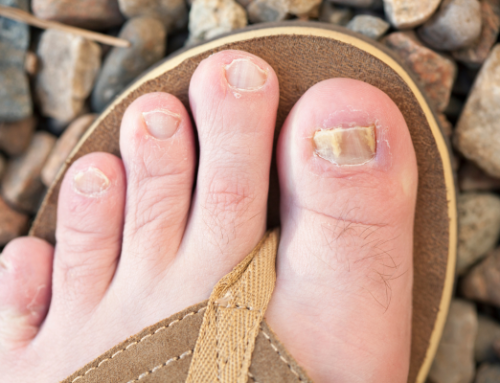
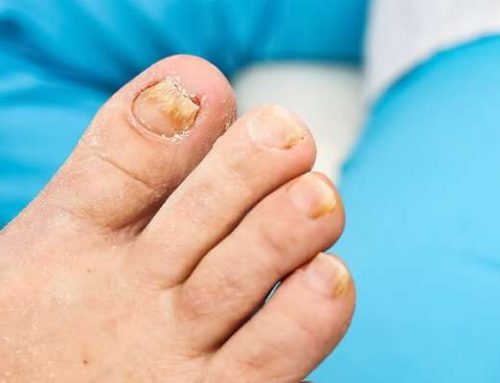
One of the most common culprits is athlete’s foot, a fungal infection that thrives in moist environments. This condition causes peeling skin, itching, and an unpleasant smell due to the growth of fungi like Trichophyton rubrum. Fungal infections can easily spread in places like gym showers, public pools, and locker rooms.
2. Excessive Sweating (Hyperhidrosis)
Sweat itself is odorless, but when it combines with bacteria on your skin, it can lead to a foul smell. Feet have numerous sweat glands, and when enclosed in socks and shoes for extended periods, they create an ideal environment for bacteria to grow. Excessive sweating can also cause the buildup of dead skin as the moisture weakens the skin barrier.
3. Improper Foot Hygiene
Neglecting regular foot care, such as washing and exfoliating, can lead to the accumulation of dead skin. Over time, this buildup can trap bacteria and fungi, worsening the odor. Wearing the same pair of socks or shoes repeatedly without allowing them to air out can exacerbate this issue.
4. Skin Conditions
Conditions like eczema and psoriasis can cause the skin on your feet to peel or flake, leading to a buildup of dead skin. While these conditions are not directly linked to odor, the compromised skin barrier can make your feet more susceptible to infections that cause smell.
5. Poor Circulation
If you have diabetes or peripheral artery disease, reduced blood flow can slow down the natural shedding of skin. This leads to thicker layers of dead skin that may become a breeding ground for odor-causing bacteria and fungi.
Identifying the Signs of Dead Skin and Smelly Feet
To effectively treat the issue, it’s important to identify the signs early:
- Thickened, peeling, or flaking skin, especially on the soles and heels.
- A strong, unpleasant odor that persists even after washing.
- Itchy or irritated skin, often a sign of fungal infections.
- Cracks or fissures, which can increase the risk of infections.
If these symptoms persist despite regular care, it may be time to consult a podiatrist.
Effective Remedies for Dead Skin and Odor
1. Daily Cleansing and Exfoliation
Start by washing your feet daily with warm water and mild soap. Use a pumice stone or foot scrub to gently remove dead skin. Avoid scrubbing too hard, as it can irritate your skin and worsen the problem.
2. Foot Soaks
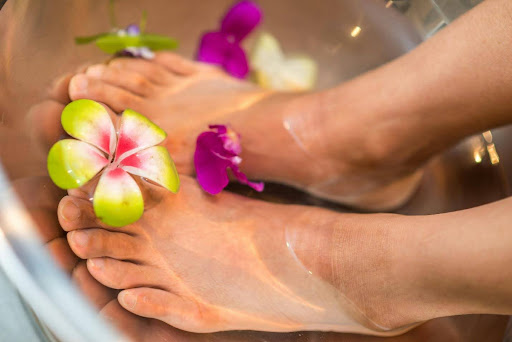
A foot soak is a soothing and effective way to tackle both dead skin and odor. Here’s how you can do it:
- Epsom Salt Soak: Add half a cup of Epsom salt to warm water. Soak your feet for 15–20 minutes to soften dead skin and reduce odor.
- Vinegar Soak: Mix one part white vinegar with two parts water. This solution helps kill odor-causing bacteria and fungi.
3. Moisturize Regularly
Dry skin can worsen peeling and lead to cracks. Use a urea-based moisturizer to hydrate your feet and keep the skin barrier intact. Apply it after exfoliating or soaking for maximum absorption.
4. Use Antifungal Products
If a fungal infection is the cause, over-the-counter antifungal creams, sprays, or powders can help. Look for products containing ingredients like clotrimazole or terbinafine.
5. Maintain Proper Foot Hygiene
- Change socks daily, preferably using moisture-wicking materials.
- Alternate shoes to allow them to dry completely between uses.
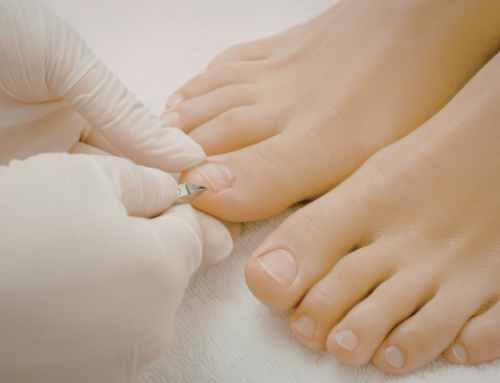
- Keep toenails trimmed and clean to prevent bacterial buildup.
6. Wear Breathable Footwear
Opt for shoes made from breathable materials like leather or mesh. Avoid wearing tight, non-ventilated shoes for long periods.
Preventing Dead Skin and Odor in the Future
1. Stay Dry
Moisture is a key factor in both dead skin buildup and odor. Use foot powders to absorb sweat, and consider using antiperspirants designed for feet.
2. Wear the Right Socks
Socks made of cotton or moisture-wicking synthetic fibers can help reduce sweating and prevent bacterial growth. Avoid wearing the same pair for multiple days.
3. Practice Regular Foot Care
Incorporate weekly foot soaks and exfoliation into your routine to keep dead skin at bay. Hydrate your feet daily to maintain a healthy skin barrier.
4. Disinfect Shoes and Insoles
Spray your shoes with antibacterial or antifungal sprays to kill odor-causing microbes. Replace insoles regularly, especially if they become damp or worn out.
5. Strengthen Your Immune System
A healthy immune system can help fend off infections that lead to dead skin and odor. Maintain a balanced diet, stay hydrated, and exercise regularly.
When to Seek Professional Help
Sometimes, home remedies aren’t enough to resolve the issue. You should consult a podiatrist if:
- The odor persists despite regular care.
- You notice signs of a fungal infection, such as severe itching or discolored toenails.
- The dead skin forms thick, hard patches that are difficult to remove.
- Cracks or fissures in your feet lead to pain or bleeding.
Why Choose Foot & Ankle Centers?
At Foot & Ankle Centers, we combine advanced treatments with compassionate care to restore your foot health. Our services include:
- Effective solutions for fungal infections and hyperhidrosis.
- Advanced foot hygiene education to prevent recurring issues.
- Custom orthotics to improve foot function and reduce discomfort.
Located conveniently in Hamilton, Ewing, East Windsor, Flemington, and Somerset, NJ, we’re here to help you take the first step toward healthier feet.
Conclusion
Dead skin and odor on your feet can be frustrating, but understanding the root causes can empower you to take effective action. By adopting proper foot hygiene, using targeted treatments, and maintaining a proactive care routine, you can prevent these issues from recurring. If you’re still wondering, “Why does my foot have dead skin and smell?” or need professional assistance, Foot & Ankle Centers is here to help.
Schedule your appointment with Foot & Ankle Centers by contacting us on our website. Let us help you walk confidently and comfortably!