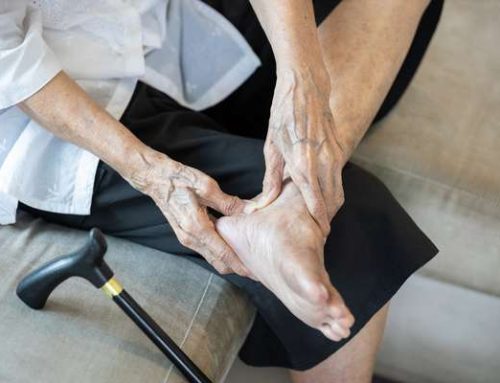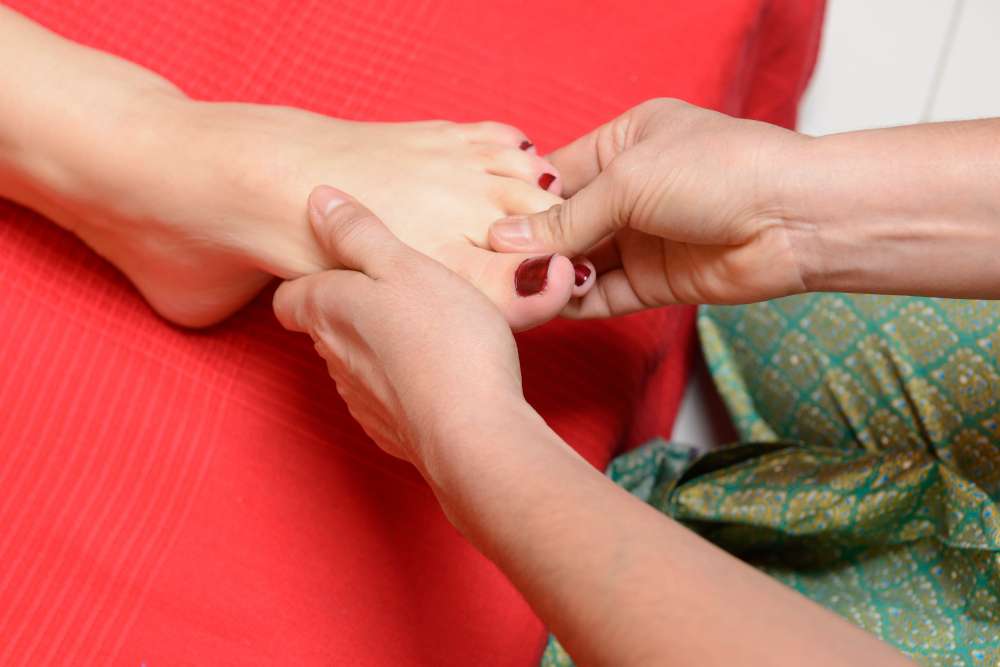
Toe capsulitis is a painful condition that affects the soft tissue surrounding the joint capsule of your toe, most often the second toe. It can feel like you’re walking with a pebble in your shoe or as though your toe is constantly under pressure. If left untreated, capsulitis can worsen and even lead to long-term misalignment of the toes.
Whether you’re feeling discomfort while walking, noticing swelling near the base of your toe, or struggling to stay active, understanding toe capsulitis is the first step toward finding relief.
Quick Summary: What You Need to Know
- Toe capsulitis is inflammation of the joint capsule near the toe, usually the second toe.
- It often feels like a deep ache or sharp pain under the ball of your foot.
- Overuse, poor foot mechanics, and unsupportive footwear are common causes.
- Early treatment is crucial to prevent toe drifting or joint damage.
- Conservative care, rest, shoe changes, and physical therapy, is often effective.
What Exactly Is Toe Capsulitis?
Toe capsulitis refers to inflammation of the ligaments surrounding the joint capsule at the base of the toe, typically the second toe (just next to the big toe). The condition shares similarities with tendonitis or bursitis, it’s not about bones being out of place, but rather soft tissue irritation.
Unlike a fracture or dislocation, capsulitis develops gradually, often due to repetitive stress or imbalance in how your foot absorbs weight.
Learn more about how capsulitis affects the second toe and what makes it different from other forefoot conditions.
Common Causes of Toe Capsulitis
Toe capsulitis usually results from a combination of overuse and faulty foot mechanics. In many cases, the second toe ends up taking on more pressure than it’s built to handle.
Contributing factors include:
- A long second toe (Morton’s toe), which bears excess load during walking
- Flat feet or high arches that throw off weight distribution
- Unsupportive or tight footwear like high heels or thin-soled shoes
- Overuse from running, jumping, or prolonged standing
- Bunions or hammertoes that shift toe alignment
Symptoms: What Does Toe Capsulitis Feel Like?
Capsulitis often begins subtly, but can progress into severe discomfort if not addressed early.
You may notice:
- Pain at the ball of the foot, under the second toe
- Swelling or redness near the toe joint
- A sensation of walking on something hard
- Stiffness or limited toe movement
- A visible shift or drifting of the toe if advanced
If you live in Colorado and are experiencing these symptoms, it’s important to consult with a foot and ankle specialist. Dr. Dipan Patel and our team are experienced in treating capsulitis and related forefoot conditions.
How Is Toe Capsulitis Diagnosed?
Diagnosis typically begins with a physical exam and a review of your symptoms. Your podiatrist may check:
- Your foot’s alignment and arch support
- Pressure points when standing or walking
- Joint flexibility and toe stability
In some cases, imaging (such as X-rays or MRIs) may be used to rule out fractures or other conditions like neuromas or sesamoiditis.
For a more detailed overview of how this condition is identified and treated, visit our Capsulitis treatment page.
Treatment Options for Toe Capsulitis
The good news is that early intervention can help you avoid surgery and restore foot function. Most cases respond well to non-invasive care.
Conservative Treatments
- Rest and activity modification: Reducing high-impact activities to give your foot time to heal
- Supportive footwear: Switching to shoes with wider toe boxes and cushioned soles
- Orthotic inserts or metatarsal pads: To redistribute pressure away from the joint
- Anti-inflammatory medication: For short-term pain and swelling relief
- Stretching and strengthening exercises: To correct gait and improve flexibility
You can explore some of the best home remedies for capsulitis on our blog, including easy adjustments you can make today.
Advanced Treatments (If Needed)
- Physical therapy: Custom plans to improve joint mobility and retrain walking patterns
- Corticosteroid injections: For persistent inflammation not resolved with other care
- Surgical correction: Considered only if toe deformity or chronic pain persists despite conservative efforts
Why Early Treatment Matters
Capsulitis doesn’t just cause pain, it can cause progressive damage to the ligaments that stabilize your toe. If not treated early, the second toe may begin to drift toward the big toe or cross over it, requiring more intensive correction later on.
Getting prompt care from a podiatrist in Colorado can help preserve joint health and avoid long-term complications. Learn more about prevention and the importance of early care in our guide to symptoms and prevention.
Prevention Tips: Protecting Your Toes Going Forward
Once you’ve healed, preventing recurrence is key. Here are some simple steps:
- Wear well-fitted shoes with proper arch support
- Avoid long periods of walking barefoot on hard surfaces
- Use custom orthotics if your gait mechanics need correction
- Stretch and strengthen your calf and toe muscles regularly
- Pay attention to early warning signs like soreness or swelling
Ready to Find Relief?
If you’re dealing with ongoing foot pain near the base of your toe, don’t wait for symptoms to worsen. The team at Foot & Ankle Centers is here to help. We specialize in accurate diagnosis, custom treatment plans, and compassionate care for every step of your recovery.
Book your appointment today with one of our foot and ankle specialists and take your first step toward relief. Learn more from the American College of Foot and Ankle Surgeons