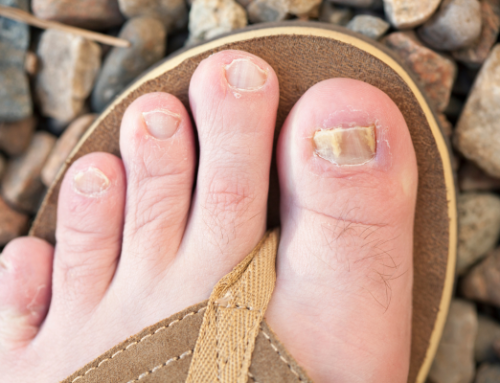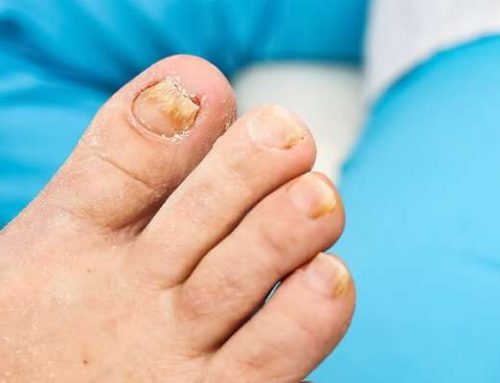
Toenail fungus is a common yet frustrating issue for athletes. The combination of frequent sweating, damp shoes, and shared facilities like locker rooms and gym showers creates the perfect environment for fungal infections. If left untreated, it can cause thickened, brittle nails that affect performance and comfort.
Fortunately, laser treatment has become the best treatment for toenail fungus, offering athletes a quick and effective way to restore healthy nails without disrupting their training schedule. In this guide, we’ll explore why laser therapy is the preferred choice, how it works, and its cost compared to alternative treatments.
1. What Makes Laser Treatment for Toenail Fungus Ideal for Athletes?
Why Athletes Are Prone to Toenail Fungus
Athletes face a higher risk of developing toenail fungus due to their active lifestyles. The most common reasons include:
- Increased Exposure to Fungus: Gym floors, swimming pools, and communal showers are breeding grounds for fungal infections. Constantly wearing damp shoes and socks also increases the risk.
- Effects on Performance: Fungal infections can cause thickened, brittle nails that create discomfort in shoes, making it harder to train and compete effectively.
Laser Treatment Benefits for Athletes
- Quick Recovery: Unlike oral medications or topical treatments that take months, laser therapy for toenail fungus provides faster results. Athletes can resume normal activities immediately after treatment.
- High Success Rate: Studies show that laser treatment for sports injuries and infections effectively targets fungal spores, reducing the risk of recurrence.
- Non-Invasive: There’s no need for surgery or medication with potential side effects. Laser therapy is pain-free and requires no downtime.
2. How Does Laser Treatment for Toenail Fungus Work?
Understanding Laser Technology
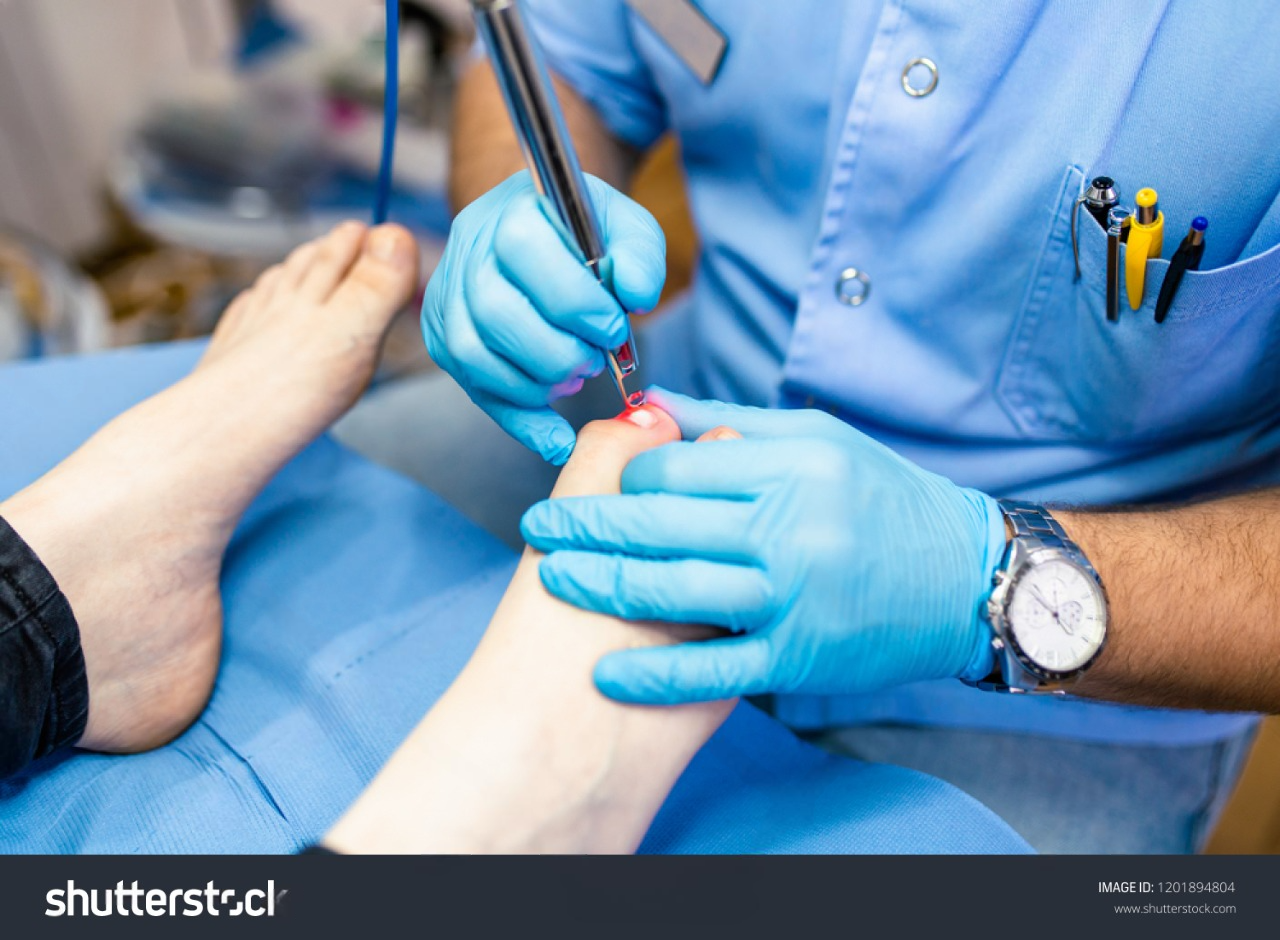
Laser treatment works by emitting targeted light energy that penetrates the toenail and destroys fungal cells at their root. Unlike topical treatments that struggle to reach deep infections, laser therapy directly attacks the fungus without harming the surrounding skin.
- Safe and Painless: The heat from the laser eradicates the infection without damaging the nail or causing pain.
- Minimal Downtime: Since the procedure is non-invasive, athletes can continue training without interruptions.
Multiple Sessions for Maximum Results
The laser therapy for toenail fungus requires multiple sessions depending on the severity of the infection:
- Mild to moderate cases: Usually require 2-3 sessions spaced weeks apart.
- Severe infections: May need additional sessions for complete fungal elimination.
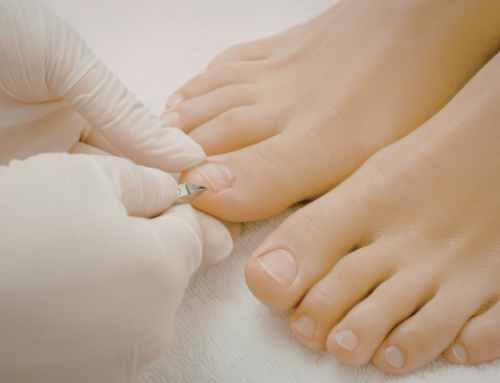
A podiatrist can assess the condition and create a customized treatment plan for the best results.
3. Cost of Laser Treatment for Toenail Fungus in Athletes
Average Cost Range
The toenail fungus laser treatment cost varies depending on multiple factors, including the clinic’s location and the number of nails treated. On average:
- Per session cost: $750–$1,500
- Total treatment cost: $1,500–$3,000 for multiple sessions
Insurance and Payment Options
One of the most common questions athletes ask is: is laser therapy for toenail fungus covered by insurance?
- Insurance Coverage: Unfortunately, most insurance plans consider laser treatment cosmetic, meaning coverage is rare.
- Financing Plans: Many podiatry clinics offer payment plans to help athletes access treatment without paying the full cost upfront.
4. Alternative Treatments for Toenail Fungus in Athletes
While laser therapy is the most advanced and effective option, some athletes explore over-the-counter and prescription treatments.
OTC Treatments
Athletes with mild infections often turn to the best OTC remedy for toenail fungus, including:
- Antifungal creams and polishes: Clotrimazole or ciclopirox nail lacquers can be effective but require daily application for months.
- Natural Remedies: Some athletes try tea tree oil or vinegar soaks, but these lack strong scientific backing.
Oral Medications
For more severe cases, doctors may prescribe oral antifungals like:
- Lamisil (terbinafine) or Sporanox (itraconazole), which work by killing the fungus from within.
- Treatment Duration: Typically lasts 6-12 weeks.
- Side Effects: These medications can cause liver toxicity, gastrointestinal issues, or skin reactions—making them less ideal for athletes who need peak performance.
5. Why Laser Treatment Is the Best Option for Athletes
Fast Results and Minimal Disruption
Laser treatment works fast helping athletes to recover sooner compared to oral care.
- Quick Sessions: Each treatment takes about 30 minutes.
- No Recovery Time: Athletes can continue training immediately after the session.
Preventing Recurrence and Protecting Foot Health
After treatment, athletes must follow preventive care strategies to reduce the chances of reinfection:
- Wear moisture-wicking socks to keep feet dry.
- Use antifungal sprays in shoes.
- Regularly clean and dry footwear and sports gear.
By combining laser therapy for toenail fungus with good foot hygiene, athletes can ensure long-term protection.
Conclusion
Toenail fungus doesn’t just affect appearance—it can interfere with athletic performance and long-term foot health. That’s why laser treatment for toenail fungus in athletes is the best choice.
- It’s fast, non-invasive, and highly effective.
- Athletes can continue training without disruption.
- Unlike OTC treatments or oral medications, laser therapy offers long-lasting results.
If you’re an athlete struggling with toenail fungus, it’s time to act. Contact Foot & Ankle Centers today to schedule a consultation and explore the most effective treatment options for your foot health.