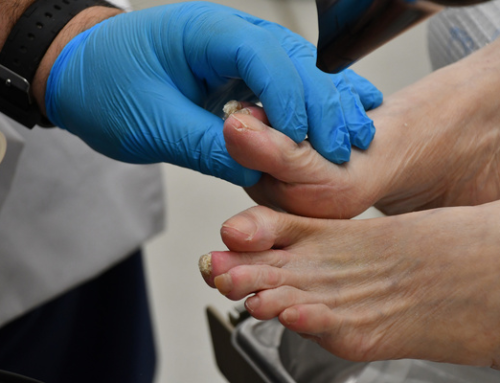
Bunions (also known as hallux abducto valgus) are a painful, debilitating condition caused by a bony protrusion at the base of the big toe. If left untreated, bunions can worsen over time, leading to permanent foot disfigurement. That’s why seeking corrective treatment, including bunion surgery, is essential.
For those on Medicare, a common concern is: does Medicare cover bunion surgery? Understanding coverage options, out-of-pocket costs, and the specifics of procedures like Lapiplasty® can help you make an informed decision.
Does Medicare Cover Bunion Surgery?
Yes, Medicare Part B covers 80% of medically necessary bunion surgical procedures. This includes surgery performed in an outpatient setting, podiatrist visits, and any necessary medical supplies. However, patients must pay the remaining 20% of the approved cost, plus any applicable copayments and deductibles. The cost of bunion surgery varies, with the average procedure in the U.S. ranging between $3,500 and $12,000, depending on location, insurance coverage, and procedure type. If you’re considering bunion surgery, it’s important to confirm Medicare eligibility with your provider to understand any additional costs.
Types of Bunion Surgery
The surgical removal of a bunion, known as a bunionectomy, is typically performed under local anesthesia in an outpatient setting. There are over 40 different types of bunion surgeries, but the most common include:
- Osteotomy: The surgeon realigns the big toe joint by cutting and repositioning the bone.
- Exostectomy: The bunion is removed without realigning the toe.
- Arthrodesis: The damaged joint is removed and replaced with screws and metal plates.
If your bunion is severe or interfering with daily activities, your doctor may recommend surgery as a necessary medical treatment. This determination is key for Medicare coverage.
Recovery and Aftercare
After bunion surgery, the foot must remain protected while the bones heal. Your doctor may recommend:
- Wearing a boot or cast
- Using crutches for mobility
- Elevating the foot daily
- Keeping the dressing dry
- Taking prescribed pain medication
- Avoiding strenuous activities
General recovery occurs within six to eight weeks, with full healing taking up to six months. Physical therapy is often recommended to restore strength and mobility.
Preventing Bunion Recurrence
Once your bunion is corrected, you’ll want to prevent it from coming back. Wearing properly fitted shoes, avoiding high heels, and maintaining foot health can reduce the risk of recurrence. In rare cases, bunion surgery can fail due to surgical errors or poor healing. Signs of a failed surgery include:
- Shortening of the big toe
- Joint stiffness
- Bunion recurrence
- Arthritis in the big toe joint
Final Thoughts
To recap: does Medicare cover bunion surgery? Yes, Medicare Part B covers 80% of the cost of medically necessary bunion surgeries, including podiatrist visits and required medical supplies. However, patients will need to cover the remaining 20% or seek secondary insurance to assist with costs.
If you’re struggling with bunion pain, our specialists can help. Schedule a consultation today to explore your surgical options and regain mobility.