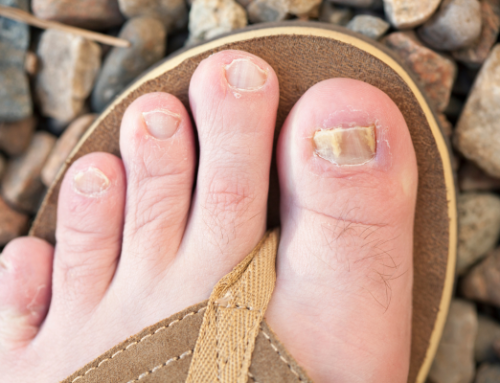
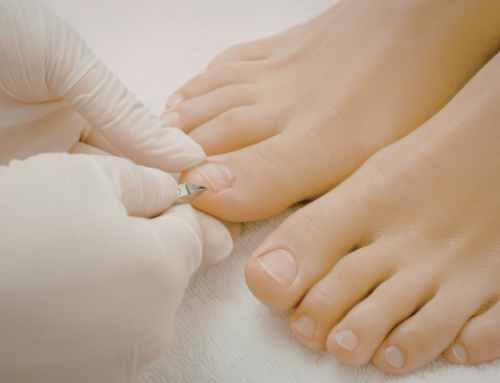
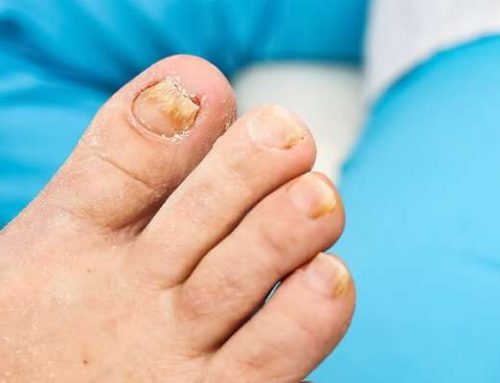
Laser therapy for toenail fungus is an advanced treatment option gaining popularity for its effectiveness. Dealing with toenail fungus can be frustrating and challenging, but with laser therapy, there is a promising solution.
This innovative treatment uses targeted laser light to penetrate the nail and eliminate the fungus. Unlike traditional therapies, it is noninvasive, painless, and highly successful.
This article explores the advantages of using laser therapy to treat toenail fungus. Hence, it gives you the information you need to make an informed decision.
What Is Laser Light Therapy for Toenail Fungus?
This treatment uses a focused light beam to target and destroy the fungal cells causing the infection.
The laser light penetrates the nail and reaches the underlying fungus without damaging the surrounding tissue. This practical and safe method makes it a preferred choice for many patients.
How Does Laser Therapy Work?
Many people wonder if laser therapy works for toenail fungus. The answer is a resounding yes. Laser therapy emits pulses of energy that produce heat. This heat targets the fungal cells, breaking down their structure and ultimately killing them.
Because using a laser for fungus toenails is a precise option, it targets the affected area without harming the healthy nail parts.
Advantages of Laser Therapy
Laser therapy offers many benefits, making it an enticing choice for patients seeking effective treatment. Here are some key advantages that make it stand out as a top treatment option.
High Success Rate
Laser therapy boasts a high success rate. Patients often see significant improvement after a few sessions. This success is due to the laser’s ability to penetrate the nail and directly target the fungus.
Noninvasive Treatment
Unlike surgical methods, the laser procedure for toenail fungus is noninvasive. There are no incisions or stitches, reducing the risk of complications and speeding up recovery.
Minimal Discomfort
Patients undergoing cold laser therapy experience minimal discomfort. The treatment is generally painless, with most patients feeling only a mild warming sensation.
Quick and Convenient
Each laser therapy session for toenail fungus is quick, typically lasting only 30 minutes. This setup is convenient for busy schedules.
No Side Effects
Traditional antifungal medications can have various side effects, including liver damage and skin irritation. Laser treatment has no known side effects, making it a safer alternative for many patients.
The Best Laser for Toenail Fungus
Choosing the best laser therapy is crucial for effective treatment. Experts use different types of lasers, each with its advantages.
The most popular lasers include the Lunula Laser® and Q-Clear™ Laser. These lasers are known for their precision and effectiveness in treating toenail fungus.
Comparing Laser Therapy with Other Treatments
When considering treatments for toenail fungus, comparing all your options is essential. Traditional therapies include topical antifungal creams, oral medications, and home remedies. Here’s how laser therapy stacks up:
Effectiveness
Laser surgery for toenail fungus has a higher success rate than topical creams and home remedies. It can reach the deeper nail layers where the fungus resides, ensuring a more thorough treatment.
Safety
Unlike some oral medications that can cause side effects, laser therapy is safe and has no known adverse effects.
Convenience
Topical treatments require daily application for several months, while laser therapy typically involves only a few sessions. Thus, laser surgery is a more convenient option for many patients.
The Laser Procedure for Toenail Fungus
The laser procedure is straightforward and typically performed in a podiatrist’s office. Here’s what you can expect:
1. Preparation
The affected toenail is cleaned and prepared for treatment. The podiatrist removes any debris or thickened areas of the nail to allow better laser penetration.
2. Laser Application
The podiatrist uses a specialized laser to emit focused light onto the infected nail. The laser therapy typically takes about 30 minutes per session.
3. Post-Treatment Care
Patients can then resume their normal activities immediately. There is no downtime or recovery period, making laser light therapy a convenient choice.
Cold Laser Therapy for Toenail Fungus
It is a newer technique that uses lower temperatures to target the fungus. This method is equally effective and offers the added benefit of causing even less discomfort during treatment.
Using cooler temperatures minimizes the heat sensation, making the procedure more comfortable for patients. Individuals sensitive to heat may find cold laser therapy to be a preferable option.
This innovative approach ensures effective results while prioritizing patient comfort. Therefore, it is an excellent choice for those seeking a less invasive treatment for toenail fungus.

Understanding the Costs Involved
The cost of laser therapy for toenail fungus can vary depending on the severity of the infection. Other factors include the number of sessions required and the type of laser used. The average cost ranges from $750 to $1,500 for a complete treatment.
Is Laser Therapy Right for You?
If you’re struggling with toenail fungus and traditional treatments have failed, laser therapy might be the solution you need. This treatment suits most people. However, you may consult a podiatrist to determine if it’s the best option for your condition.
Choose Foot & Ankle Centers for Your Foot Care Needs
Laser therapy for toenail fungus generally offers a safe, effective, and convenient solution. And at Foot & Ankle Centers, we strive for a seamless and hassle-free patient experience. Your foot pain, infection, or injury can’t wait, so let us handle your foot care today.
Our experienced team aims to provide the best care and ensure you get back on your feet quickly. Contact us for all your foot care needs and experience the benefits of compassionate care.